Wordle is a simple yet addictive word puzzle game where players guess a five-letter word within six attempts. Each guess provides feedback using colored tiles, helping players refine their next move strategically and logically.
The game focuses on vocabulary, pattern recognition, and deduction skills rather than speed. Every day, a new word is released, and all players worldwide attempt to solve the same puzzle, making it both competitive and social.
If you are wondering how do you play wordle, the concept is easy to learn but challenging to master. With each attempt, you gather clues that guide your next guesses and improve your chances of solving the puzzle efficiently.
Structure and Rules That Define Wordle
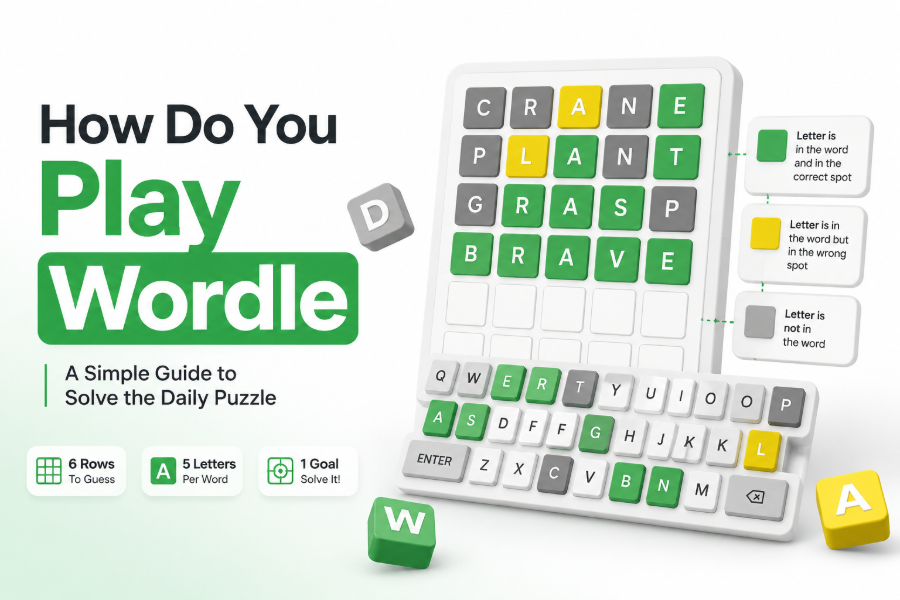
Each Wordle puzzle consists of a five-letter hidden word that players must identify within six guesses. The game does not allow random letters; every guess must be a valid English word found in the dictionary.
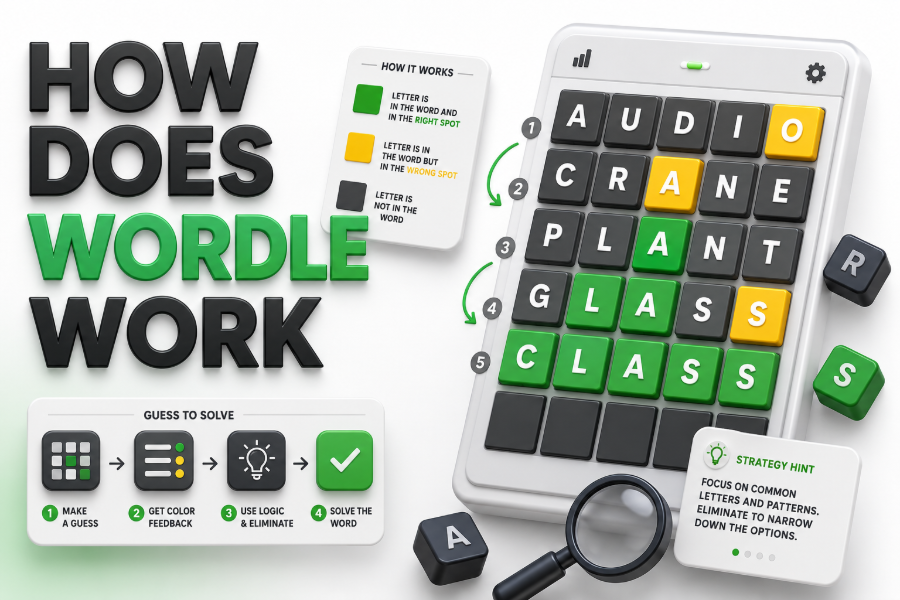
After submitting a guess, letters change color to indicate accuracy. Green means the letter is correct and in the right position, yellow means correct but misplaced, and gray means the letter is not in the word at all.
These rules is essential when learning how do you play wordle, as they form the foundation of your strategy. The better you interpret feedback, the faster you can narrow down the correct answer.
Key Rules to Remember
- Only valid five-letter words are accepted
- You get exactly six attempts per puzzle
- Letters can repeat in some words
- Feedback colors guide your next guesses
- One puzzle is available per day
Importance of Choosing the Right Starting Word
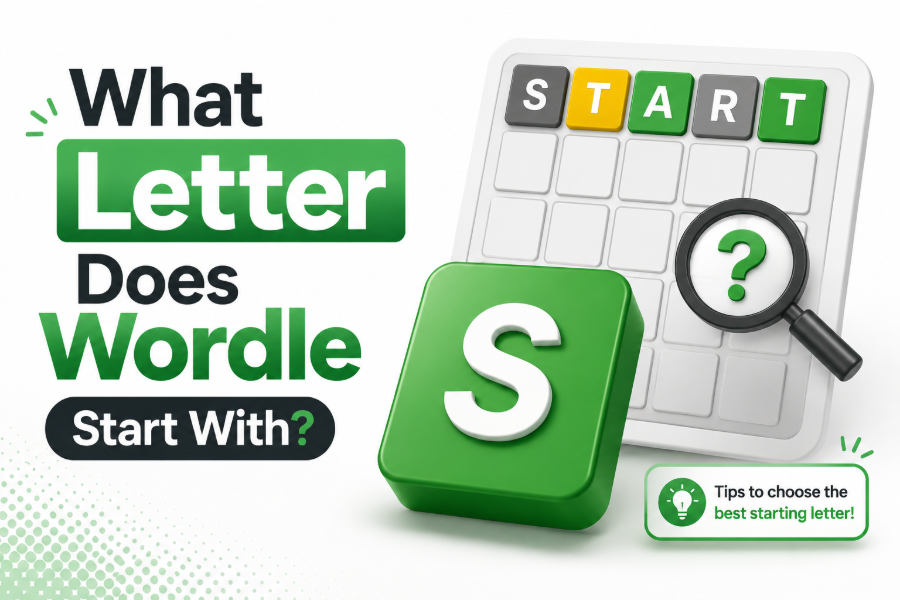
Your first guess in Wordle can significantly impact your success rate. A strong starting word includes common vowels and frequently used consonants, helping you gather maximum information early in the game.
Words like “CRANE,” “SLATE,” or “AUDIO” are popular starting choices because they cover a wide range of letters. This increases your chances of identifying correct letters quickly and building a strategy from the start.
Developing a consistent starting approach can improve your performance over time. It allows you to reduce guesswork and focus more on logical deduction.
Interpreting Color Feedback Effectively
The colored feedback system is the core mechanic of Wordle. Green tiles indicate a correct letter in the right position, while yellow tiles show the letter exists but needs repositioning. Gray tiles eliminate letters from consideration.
Learning to interpret these colors correctly is crucial for success. Misreading feedback can lead to repeated mistakes and wasted guesses, reducing your chances of solving the puzzle within the allowed attempts.
You must train yourself to analyze each result carefully. Every guess should be based on previous feedback rather than random attempts or guessing without a plan.
Smart Interpretation Tips
- Prioritize green letters in fixed positions
- Rearrange yellow letters in new spots
- Avoid reusing gray letters unnecessarily
- Focus on narrowing down possibilities
- Combine clues from multiple guesses
Building a Logical Guessing Strategy
Wordle is not just a guessing game; it requires logical thinking and pattern recognition. Each guess should build upon the previous one, gradually narrowing down the list of possible words.
Instead of guessing randomly, focus on eliminating unlikely letters and testing new combinations. This systematic approach ensures that every attempt brings you closer to the correct answer without wasting valuable guesses. Adopting a logical mindset is essential. Treat each round as a puzzle-solving process rather than a trial-and-error game.
Common Mistakes Beginners Should Avoid
Many beginners make avoidable mistakes that reduce their chances of winning. One common error is repeating letters that have already been marked gray, which wastes valuable opportunities to test new letters.
Another mistake is ignoring yellow feedback or placing letters in the same incorrect position. This slows down progress and limits your ability to discover the correct arrangement within six attempts.
Mistakes to Watch Out For
- Repeating eliminated letters
- Ignoring feedback colors
- Guessing without a clear plan
- Using uncommon or complex words early
- Not adjusting strategy after each guess
Advanced Techniques for Better Performance
Once you understand the basics, advanced strategies can help you solve puzzles more efficiently. One effective technique is using words that test multiple new letters instead of repeating known ones unnecessarily.
Another strategy involves identifying common letter patterns and word endings. Recognizing structures like “-ING,” “-ED,” or “-ER” can help you predict possible words and narrow down your choices faster.
Daily Practice and Skill Improvement
Consistency is key when it comes to mastering Wordle. Playing daily helps improve your vocabulary, pattern recognition, and logical thinking skills, making each puzzle easier to solve over time.
Keeping track of your performance and analyzing past mistakes can also help you refine your strategy. Many players notice significant improvement after just a few weeks of regular gameplay.
Using Word Patterns and Letter Frequency
Understanding common letter frequencies can give you a strong advantage in Wordle. Letters like E, A, R, T, and O appear frequently in English words, making them valuable choices in early guesses.
Additionally, recognizing common word patterns helps you predict possible solutions more quickly. This reduces the number of guesses needed and increases your chances of solving the puzzle successfully.
Helpful Letter Strategy
- Use vowels early to identify structure
- Focus on high-frequency consonants
- Avoid rare letters in initial guesses
- Look for common word endings
- Combine known letters strategically
Enhancing Gameplay with Tools and Resources
While Wordle is designed to be simple, various tools and resources can enhance your experience. Word lists, pattern analyzers, and practice versions allow you to improve without waiting for the daily puzzle.
Many players also explore related content like guides or strategy articles to refine their approach. You can also check helpful resources you play wordle guides or similar puzzle tutorials on your site.
Using these tools wisely can accelerate your learning process and help you understand deeper strategies behind the game without compromising the fun.
Social Aspect and Daily Challenge Engagement
One of the most appealing aspects of Wordle is its social element. Players often share their results using colored grids, allowing friends to compare performance without revealing the answer.
This shared experience creates a sense of community and friendly competition. It encourages players to return daily and improve their scores while engaging with others who enjoy the same challenge.
Understanding play wordle also includes appreciating this social dimension. It adds an extra layer of enjoyment and motivation beyond simply solving the puzzle.
Conclusion
Wordle is a simple yet highly engaging game that combines logic, vocabulary, and strategy. By understanding its rules, interpreting feedback, and practicing regularly, players can significantly improve their performance and enjoyment.
If you are learning how do you play wordle, consistency and smart strategies will help you solve puzzles more efficiently. Over time, you will develop your own approach and find the game both challenging and rewarding.
FAQ
What is the main goal of Wordle
The main goal of Wordle is to guess a hidden five-letter word within six attempts. Players use feedback from each guess to refine their choices and identify the correct word efficiently.
How many guesses do you get in Wordle
Players are given six guesses to find the correct word. Each attempt provides color-coded feedback that helps narrow down possible letters and positions for future guesses.
Can letters repeat in Wordle
Yes, letters can repeat in Wordle. This can sometimes make the puzzle more challenging, as players must consider the possibility of duplicate letters when analyzing feedback.
What is the best starting word in Wordle
A good starting word includes common vowels and consonants, such as “CRANE” or “SLATE.” These words help reveal useful information early, improving your chances of solving the puzzle quickly.
Is Wordle the same puzzle for everyone
Yes, Wordle provides the same daily puzzle for all players worldwide. This shared experience allows users to compare results and discuss strategies without revealing the answer directly.