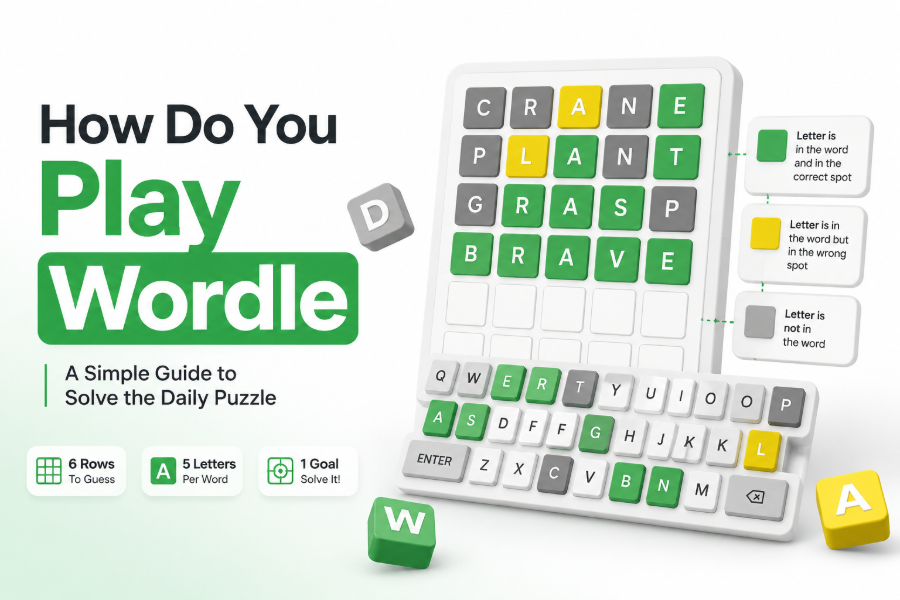
The puzzle game Wordle gained massive attention after being acquired by The New York Times, turning it into a global daily ritual for millions of users. This shift significantly increased visibility and long-term engagement across different audiences.
The brand credibility of The New York Times played a major role in boosting trust and interest. Many users who were already familiar with its puzzles like crosswords quickly adopted Wordle as part of their daily routine.
When people ask why is ‘new york times wordle’ trending, the answer often starts with its transition into a trusted media ecosystem that amplified its reach and sustained user interest worldwide.
Daily Challenge Format Driving User Engagement
One of the biggest reasons for Wordle’s trending status is its unique daily challenge format. Players can only solve one puzzle per day, which creates anticipation and keeps users coming back consistently.
This limited gameplay encourages discipline and excitement, unlike other games that allow unlimited attempts. The daily reset builds a sense of urgency and routine that keeps users engaged over long periods.
Understanding why is ‘new york times wordle’ trending becomes easier when you consider how scarcity and daily interaction combine to create a strong habit among players globally.
Key Engagement Drivers
- One puzzle per day builds anticipation
- Shared experience across all users
- Creates daily routine behavior
- Encourages consistent participation
- Prevents content overload
Social Media Sharing and Viral Growth
Wordle’s simple sharing feature has played a major role in its viral growth. Players can share their results using colored grids without revealing the answer, making it ideal for social platforms.
This feature sparked curiosity among new users who saw these posts and wanted to try the game themselves. As more people shared results, the game quickly spread across communities.
When analyzing why is ‘new york times wordle’ trending, social media visibility stands out as a powerful driver that continues to attract new players every day.
Simplicity of Gameplay Attracting All Age Groups
Wordle’s straightforward gameplay makes it accessible to people of all ages. There are no complex rules or steep learning curves, allowing anyone to start playing within minutes.
The simplicity also makes it appealing to casual gamers who prefer short, engaging experiences rather than time-consuming games. This broad accessibility increases its overall popularity significantly.
The ease of understanding how the game works is another reason why is ‘new york times wordle’ trending across diverse demographics worldwide.
Accessibility Highlights
- Easy rules for beginners
- No downloads required
- Works on all devices
- Quick daily playtime
- Suitable for all age groups
Psychological Appeal of Puzzle Solving
Wordle taps into the human desire for problem-solving and achievement. Each puzzle provides a small but satisfying challenge that rewards logical thinking and pattern recognition.
The sense of accomplishment after solving a puzzle motivates players to return daily. Even failure encourages retrying the next day, creating a cycle of continuous engagement.
This psychological factor is a major reason behind why is ‘new york times wordle’ trending, as it delivers both challenge and satisfaction in a balanced way.
Influence of The New York Times Ecosystem
Being part of The New York Times ecosystem gives Wordle access to a large, established audience. The platform already hosts popular games like crosswords and spelling puzzles, attracting puzzle enthusiasts.
This integration allows Wordle to benefit from cross-promotion and increased visibility. Users exploring other puzzles often discover Wordle and become regular players.
The connection with The New York Times significantly contributes to why is ‘new york times wordle’ trending across different regions and user groups.
Consistent Updates and Word Selection Strategy
Wordle maintains its appeal through carefully selected words that balance difficulty and familiarity. This ensures that puzzles remain challenging but not frustrating for players.
The curated word list avoids overly complex or obscure words, making the game enjoyable for a wider audience. This balance keeps players engaged without feeling overwhelmed.
Consistency in quality is another factor explaining why is ‘new york times wordle’ trending, as users trust the game to deliver a fair and enjoyable experience daily.
Word Selection Benefits
- Balanced difficulty level
- Avoids rare or confusing words
- Keeps gameplay fair and engaging
- Appeals to global audience
- Encourages daily participation
Community Interaction and Friendly Competition
Wordle has created a sense of community among players. Friends, family, and colleagues often compare results, creating friendly competition that enhances the gaming experience.
This social interaction adds another layer of enjoyment beyond solving the puzzle. It encourages players to improve their performance and share their achievements regularly.
The community-driven nature of the game plays a significant role in why is ‘new york times wordle’ trending and maintaining its popularity over time.
Media Coverage and Online Discussions
Wordle frequently appears in news articles, blogs, and online discussions, further increasing its visibility. Media coverage often highlights trends, strategies, and unusual puzzles, attracting more attention.
These discussions keep the game relevant and introduce it to new audiences who may not have encountered it otherwise. It also keeps existing players engaged with fresh content.
This ongoing coverage is a strong contributor to why is ‘new york times wordle’ trending in search engines and online platforms consistently.
Role of Wordle in Digital Culture Trends
Wordle has become more than just a game; it is now part of digital culture. Its daily puzzles and shareable results have turned it into a social ritual for many users.
The game represents a shift towards simple, meaningful digital interactions rather than complex or time-consuming activities. This cultural relevance boosts its long-term appeal.
Understanding why is ‘new york times wordle’ trending also involves recognizing its impact on modern digital habits and online communities.
Cultural Impact Factors
- Daily social sharing habit
- Integration into routines
- Global participation trend
- Minimalist game design appeal
- Strong community identity
Connection With Related Wordle Topics and Searches
The popularity of Wordle has also led to increased interest in related topics and guides. Users frequently search for strategies, tips, and explanations to improve their gameplay. Advanced guessing techniques attracts additional traffic and keeps the ecosystem active. This interconnected content boosts overall visibility.
These related searches further explain why is ‘new york times wordle’ trending, as users continuously explore new ways to engage with the game.
Conclusion
Wordle’s trending status is driven by a combination of simplicity, daily engagement, social sharing, and strong brand backing. Its integration with The New York Times has amplified its reach and credibility.
Understanding why is ‘new york times wordle’ trending reveals how a simple idea can evolve into a global phenomenon. The balance of challenge, accessibility, and community keeps it relevant and widely popular.
FAQ’S
Why did Wordle become popular so quickly
Wordle became popular due to its simple gameplay and social sharing feature. Players could easily share results, creating curiosity and encouraging others to join, leading to rapid viral growth.
Does The New York Times own Wordle
Yes, Wordle is owned by The New York Times. The acquisition helped expand its reach and integrate it into a larger puzzle platform with an established audience.
Why is Wordle trending on social media
Wordle trends on social media because of its shareable result format. Players post their daily scores, creating engagement and encouraging others to participate in the challenge.
Is Wordle still popular today
Yes, Wordle remains popular due to its daily puzzle format and strong community engagement. Its simplicity and consistency keep players returning regularly.
How does Wordle stay relevant over time
Wordle stays relevant by maintaining a consistent daily challenge and engaging users through social sharing. Its connection with The New York Times also helps sustain long-term interest.